- Published
Skyplume Blog Template — A Calm, Fast, SEO-Ready Next.js Blog Starter
Author
Chad
Why Skyplume exists
Skyplume is a content-first blog template for people who want a site that feels calm, fast, and serious without becoming hard to maintain. It is built for personal publishing, engineering notes, project write-ups, and long-form MDX posts.
The template comes from the production blog experience behind Ruoduan's personal blog, 0x1ai.com. Instead of starting from a blank demo, it packages the useful parts of a real writing system: App Router pages, MDX content, SEO metadata, RSS, local search, tags, dark mode, comments, and a restrained interface that keeps the article in front.
What makes it different
Skyplume is not trying to be a CMS, a landing page kit, or a dashboard theme. It is a focused blog starter with a small number of strong opinions:
- Writing should happen in plain MDX files.
- Site identity should be configured through simple data files.
- SEO should be part of the architecture, not a late checklist.
- Motion should support navigation and rhythm, not distract from reading.
- The template should remain understandable after you customize it.
That last point matters. A blog is usually maintained over years, not days. If the structure is too clever, every small change becomes expensive. Skyplume keeps customization close to the files you already expect: data/siteMetadata.js, data/profile.ts, data/authors/default.mdx, data/headerNavLinks.ts, and the posts inside data/blog.
Built for MDX publishing
Posts live in data/blog and are processed by Contentlayer. Each article can define title, date, tags, categories, summary, authors, draft status, images, layout, bibliography, and canonical URL fields.
The MDX pipeline supports the features a technical blog usually needs:
- GitHub-flavored Markdown
- Code titles and syntax highlighting
- Math rendering with KaTeX
- Citations
- GitHub-style alert blocks
- Heading anchors
- Table of contents extraction
- Custom image, iframe, table, and newsletter components
That gives you the comfort of Markdown with enough React flexibility for custom content blocks.
SEO foundations are included
Skyplume ships with practical SEO defaults across the App Router setup. The root layout defines site-wide metadata, Open Graph defaults, Twitter card settings, robots directives, RSS alternates, and canonical behavior. Individual pages can use the shared metadata helper, while blog posts generate article-specific metadata from their MDX front matter.
The template also includes JSON-LD BlogPosting data, a generated sitemap, a generated RSS feed, a robots.txt route, local search output, and clean summaries that work across cards, feeds, and search snippets.
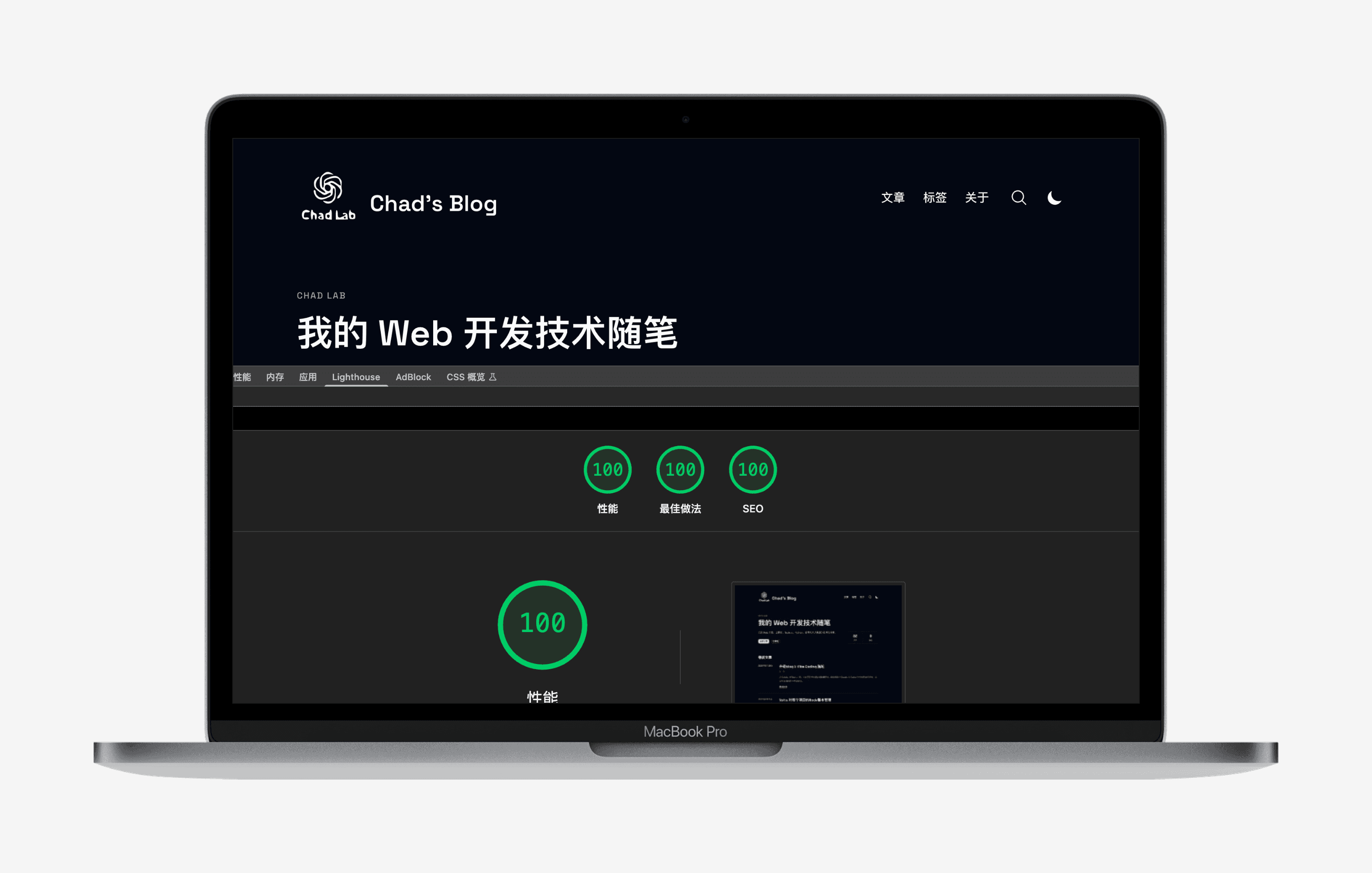
The baseline template has been tuned for Lighthouse 100/100/100 across Performance, Best Practices, and SEO. Final scores still depend on the content and services you add, especially remote images, analytics, comments, embeds, and hosting configuration.
Design philosophy
The interface is intentionally quiet. Skyplume uses focused content width, clear type hierarchy, restrained borders, and dark mode support so readers can move through posts without fighting the layout.
The home page introduces the site quickly, then gets out of the way. Blog lists favor date, title, tags, summary, and a clear reading path. Article pages keep metadata, author details, tags, comments, and previous/next links available without crowding the prose.
Theme color philosophy
Skyplume uses a Mineral Teal palette: a low-chroma teal with a technical, lab-like temperament. It replaces warmer decorative accents with a cooler system that feels quiet, precise, and personal.
The theme is designed around three rules:
- Reading first: long-form text, lists, dividers, and metadata are carried by teal-tinted gray scales, keeping the article calm and readable.
- Laboratory character: Mineral Teal appears only where recognition matters, such as links, focus rings, the progress bar, tags, and important states.
- Dark-mode stability: near-black teal-gray surfaces and lighter primary accents keep hover states, links, and code details visible without glare.
That restrained use of color gives the template a recognizable identity without turning every component into a brand surface.
Motion that stays lightweight
The animation system is small and easy to reason about:
PageTransitionadds a short fade-and-lift transition on route changes.ProgressBargives lightweight feedback during navigation.LabHerouses staggered reveal on the first screen.PostFeedreveals article rows as they enter the viewport.ScrollRevealcan be reused for page sections.css/animations.csskeeps keyframes in one place.
These details make the template feel polished, but they do not introduce a heavy animation framework or a complicated interaction layer.
Features included out of the box
Skyplume includes the baseline features needed for a modern personal blog:
- Next.js 15 App Router, React 19, TypeScript, Tailwind CSS 4, and Contentlayer
- MDX posts with reading time, table of contents, tags, categories, authors, drafts, and summaries
- Blog index, pagination, tag pages, projects page, about page, and previous/next post links
- Local search index generated at build time
- RSS feed, sitemap, robots route, Open Graph, Twitter cards, and JSON-LD
- Dark mode with system preference support
- Optional Giscus comments
- Security headers and long-term static asset cache headers
- Static export support through
EXPORT=true
Who should use it
Skyplume is a good fit if you want a personal site that can grow into a serious publishing home. It works well for developers, founders, indie makers, researchers, and writers who want to publish technical notes, build logs, essays, release posts, or project case studies.
It is also intentionally easy to fork. Replace the metadata, author profile, navigation, favicon, social image, and example post, then start writing in MDX.
About the author
Skyplume is authored and open-sourced by Ruoduan, the maker behind 0x1ai.com. The template is a reusable version of that blog system, cleaned up so other writers and builders can start from the same foundation.
Closing thought
A strong blog template should not compete with your writing. It should make publishing easier, make discovery cleaner, and make the reading experience feel intentional. Skyplume is built around that idea: a fast, minimal, SEO-ready foundation that you can make your own.